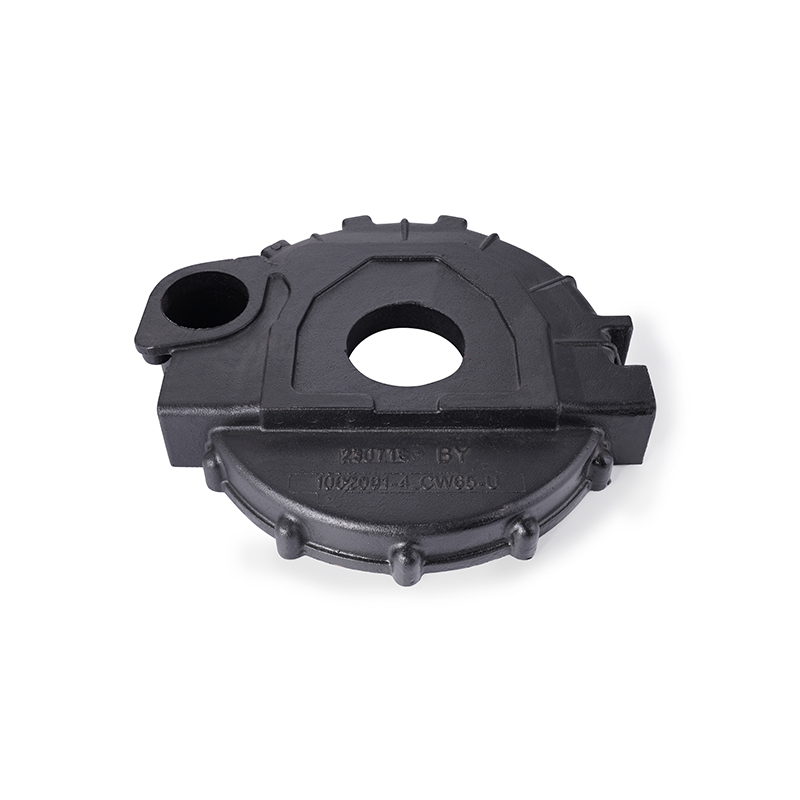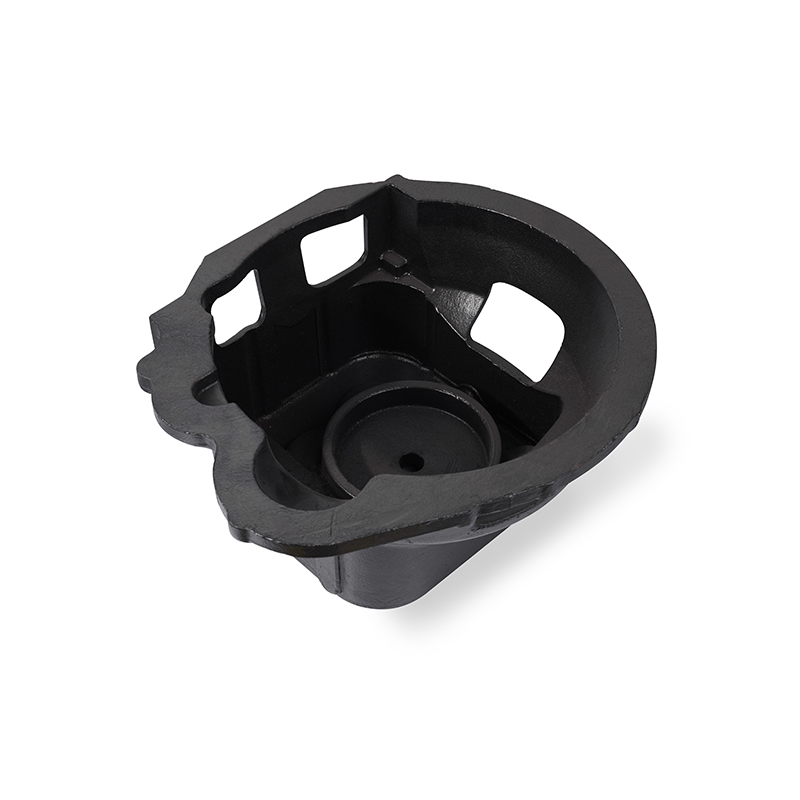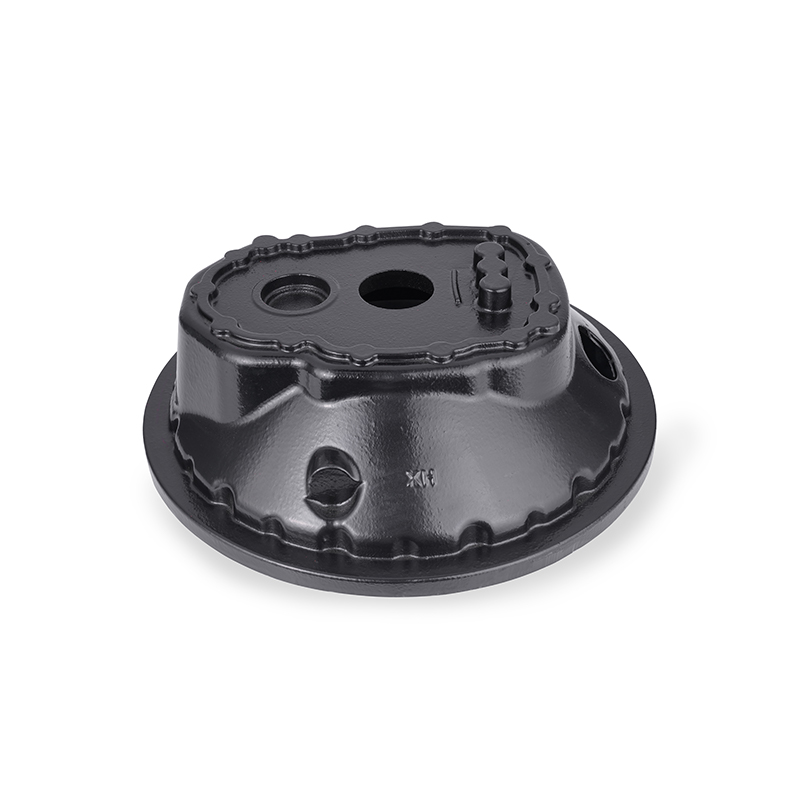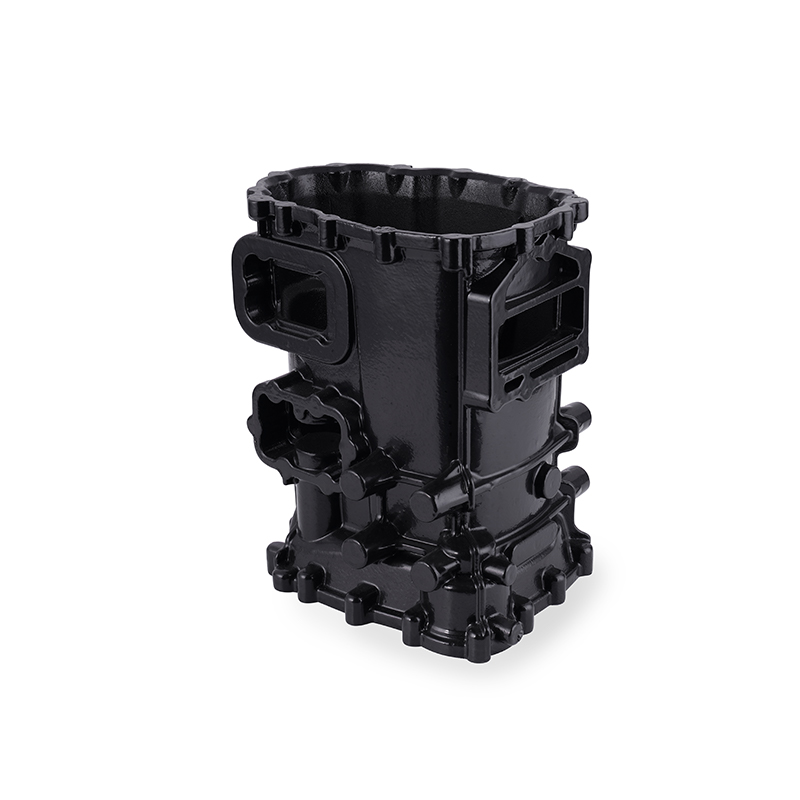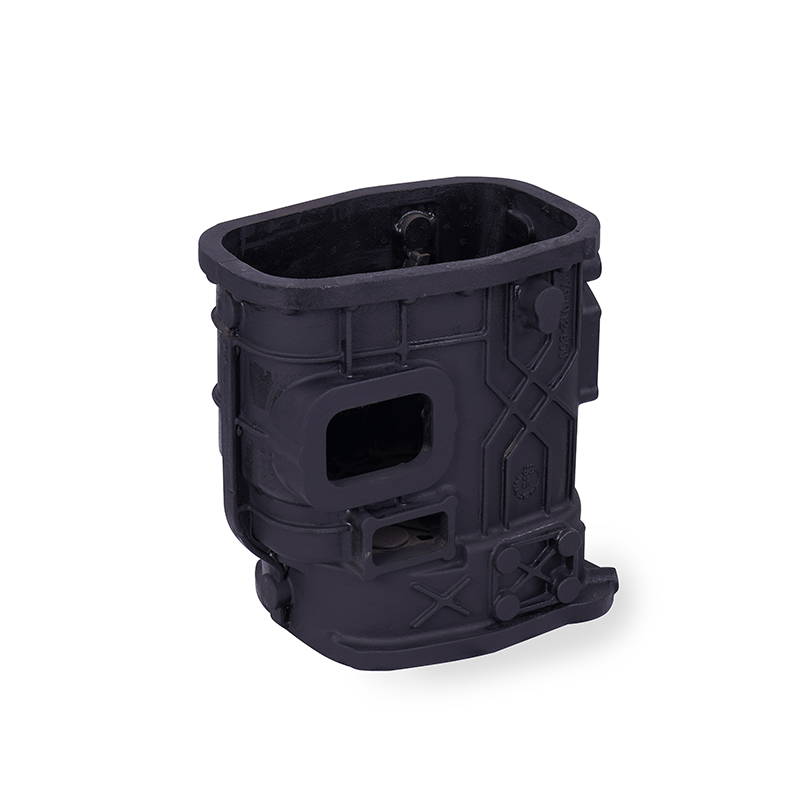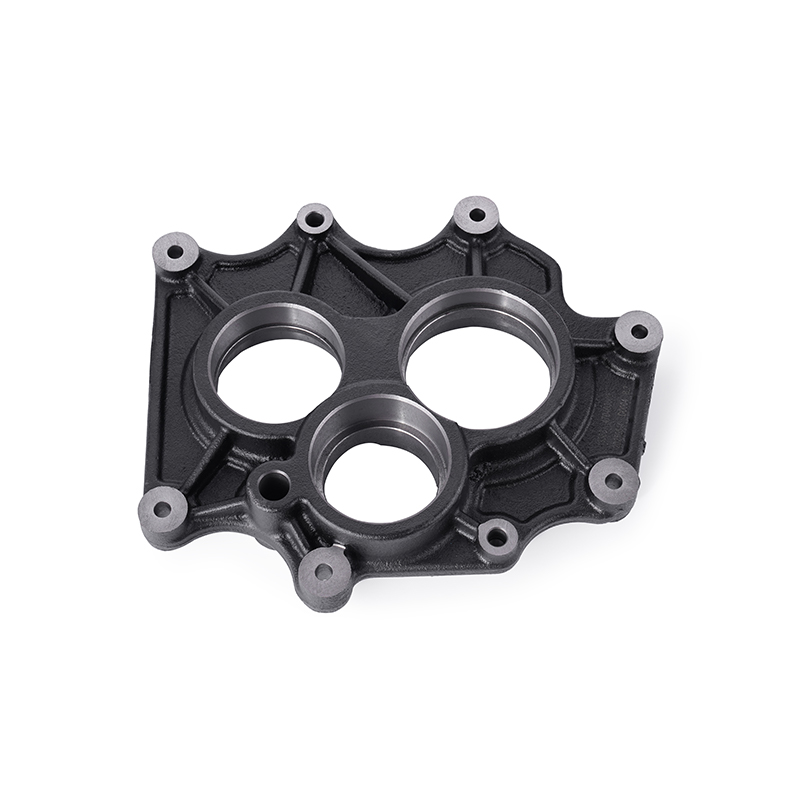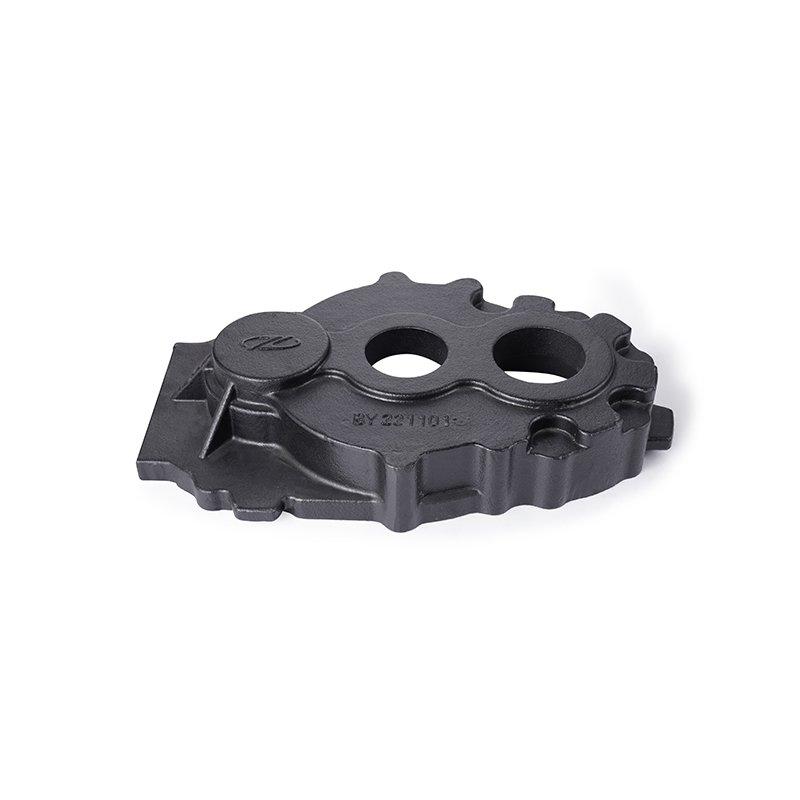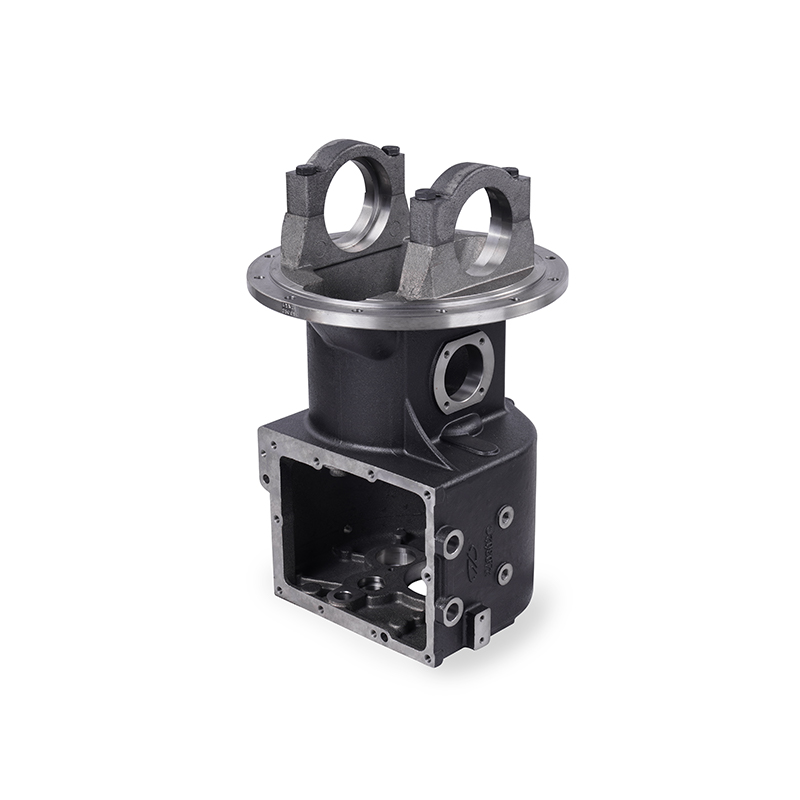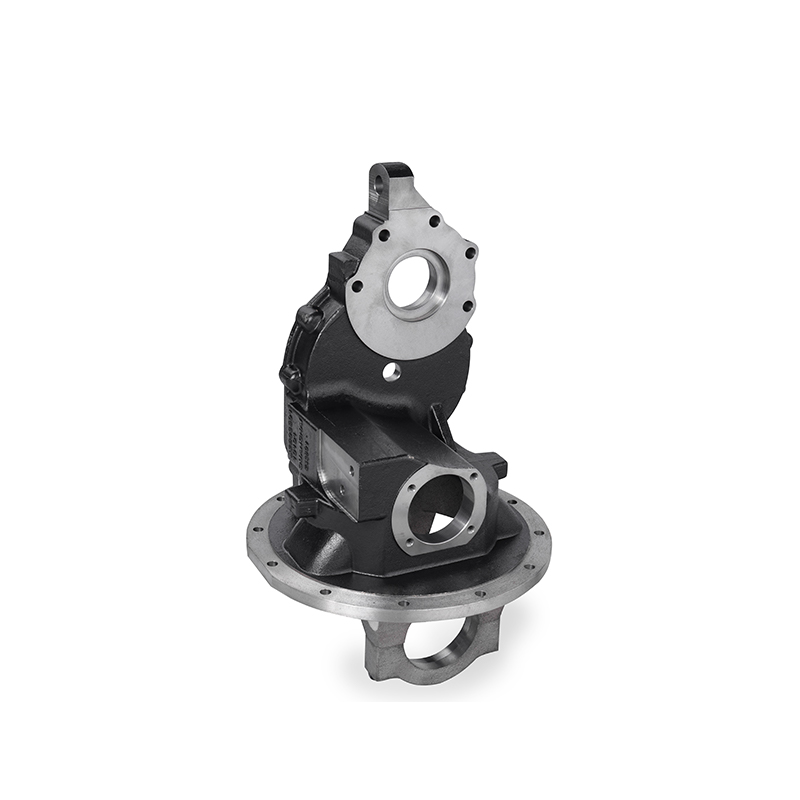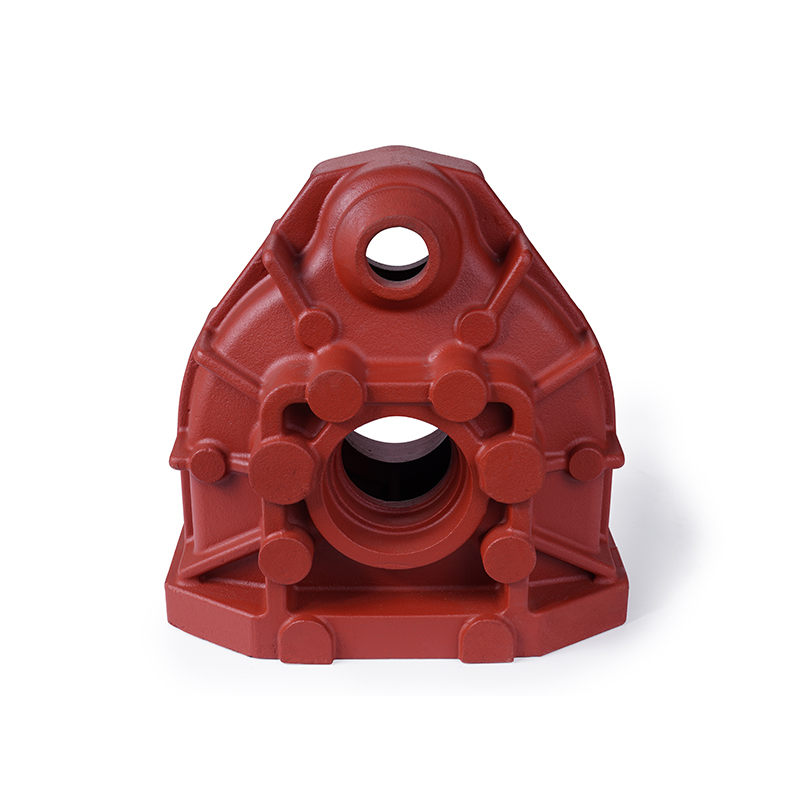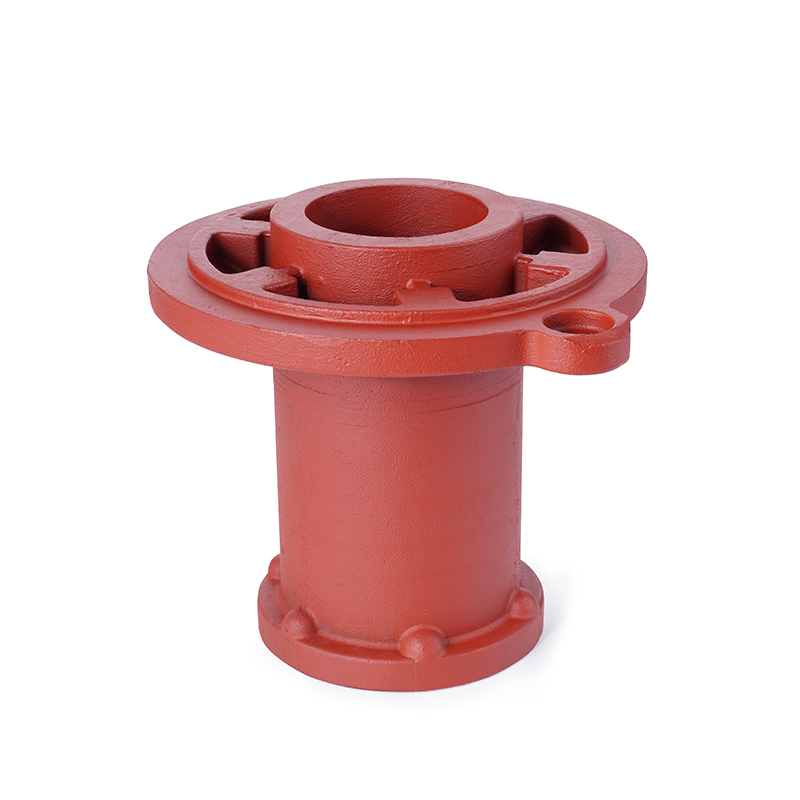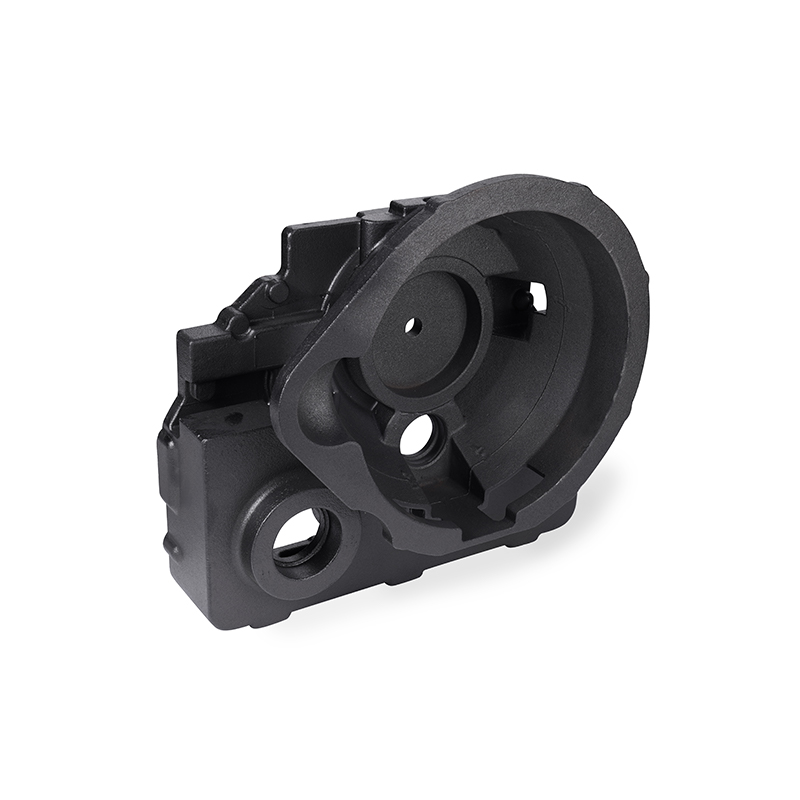
In the vertical transportation industry, the traction sheave is the most safety-critical component of the entire hoistway system. It is the primary pulley that transmits the driving force from the motor to the hoist ropes, enabling the movement of the elevator car and counterweight. Because the sheave is under constant tension and bears the full weight of the passengers and the equipment, any failure in its structural integrity could lead to catastrophic consequences. When engineers specify materials for elevator equipment cast iron casting, the choice often comes down to Gray Iron versus Ductile Iron. While Gray Iron has been a historical standard, Ductile Cast Iron (also known as nodular iron) has emerged as the safest and most reliable choice for modern high-speed and high-capacity elevator systems.
A traction sheave does not merely hold the ropes; it must provide a precise amount of friction (traction) required to move the car without allowing the ropes to slip or jump. This requires a material that can maintain its exact groove profile under immense localized pressure. Ductile iron’s unique metallurgical structure provides the perfect balance of surface hardness and internal elasticity. This ensures that the sheave remains “true” even after millions of start-stop cycles. For B2B buyers and developers, choosing ductile iron is an investment in long-term passenger safety and a significant reduction in legal and operational liability.
Elevators in high-rise buildings operate almost continuously. This creates a high-cycle fatigue environment where the material is subjected to repeated loading and unloading. Ductile cast iron exhibits superior fatigue strength compared to other cast alloys. Its ability to withstand these repetitive stresses without developing micro-cracks is what makes it the “gold standard” for heavy-duty elevator components. By utilizing advanced casting techniques, manufacturers can ensure a uniform grain structure that further enhances this fatigue resistance, providing peace of mind for building owners and maintenance crews.
The category of elevator equipment cast iron casting covers a broad range of alloys, but the fundamental difference between “Gray” and “Ductile” iron lies in the microscopic shape of the graphite within the metal matrix. This seemingly small difference at the molecular level has a massive impact on how the component behaves under the extreme stress of an elevator hoistway.
In Gray Iron (such as HT250 or HT300), the graphite exists in long, thin flakes. These flakes act as internal stress concentrators, essentially behaving like “pre-existing cracks” within the metal. While Gray Iron is excellent for dampening vibration and is easy to cast, it is inherently brittle. Under sudden impact or extreme tension, Gray Iron can snap without warning. In the context of an elevator sheave, a sudden fracture could lead to a loss of traction or a mechanical break, which is an unacceptable risk in modern urban infrastructure.
In Ductile Cast Iron (such as QT450 or QT500), the addition of magnesium or cerium during the melting process causes the graphite to form into spherical nodules rather than flakes. These nodules act as “crack arrestors.” Instead of providing a path for a crack to spread, the nodules force the stress to distribute evenly around them. This gives the iron the ability to “bend but not break,” a property known as ductility. This fracture toughness is the primary reason why ductile iron is specified for safety-critical parts like sheaves, brake drums, and machine bedplates.
| Mechanical Property | Gray Cast Iron (HT250) | Ductile Cast Iron (QT450-10) | Safety Benefit |
|---|---|---|---|
| Tensile Strength | 250 MPa | 450+ MPa | High resistance to snapping |
| Yield Strength | N/A (Brittle) | 310+ MPa | Maintains shape under load |
| Elongation (Ductility) | < 1% | 10% - 15% | Absorbs shock without breaking |
| Impact Energy | Low | High | Safe during emergency stops |
| Modulus of Elasticity | 100 GPa | 170 GPa | Superior structural rigidity |
The “grooves” of a traction sheave are where the vital interaction between the machine and the hoist ropes occurs. If the grooves wear down unevenly or too quickly, the wire ropes can “bottom out” or lose their friction profile, leading to dangerous rope slip. High-quality elevator equipment cast iron casting made from ductile iron offers significantly better wear resistance than standard gray iron, primarily due to the material’s higher surface hardness and the self-lubricating properties of the graphite nodules.
As steel wire ropes move through the sheave at high speeds, they exert incredible pressure on the groove walls. Ductile iron’s high yield strength ensures that the grooves do not deform or “mushroom” over time.
For B2B procurement, the initial cost of a ductile iron sheave is slightly higher than gray iron, but the long-term ROI is undeniable. By extending the life of both the sheave and the hoist ropes, building managers see a significant reduction in downtime and labor costs. In a 24/7 commercial environment, the cost of an elevator being “out of service” for rope or sheave replacement far outweighs the initial investment in premium cast iron components.
For high-speed elevators (traveling at speeds of 4 m/s to 10 m/s), even a microscopic imbalance in the traction sheave can cause vibrations that resonate through the entire elevator car. Achieving the necessary precision starts with the sand casting or investment casting process. High-quality castings must be free of internal defects that could compromise balance or strength.
Safety is compromised by internal flaws such as blowholes, slag inclusions, or shrinkage porosity. Advanced elevator equipment cast iron casting facilities utilize computer-aided solidification simulation to predict and eliminate these defects before the first drop of metal is poured.
Once the raw casting is complete, it undergoes high-precision CNC machining. Because ductile iron is more “machinable” than fabricated steel but tougher than gray iron, it allows for extremely tight tolerances in terms of groove depth, pitch, and concentricity. This precision is what ensures a silent, vibration-free ride for passengers. For high-rise luxury developments, this level of “ride quality” is a non-negotiable requirement that can only be met by high-grade cast components.
In the globalized elevator market, components must meet stringent safety codes such as EN81-20/50 in Europe or ASME A17.1 in North America. Specifying high-grade ductile iron for traction sheaves is often a prerequisite for meeting these rigorous international standards.
Professional B2B buyers require more than just a part; they require a paper trail. Reliable manufacturers of elevator equipment cast iron casting provide full traceability for every batch.
By committing to ductile iron, manufacturers are raising the industry bar for safety. As buildings grow taller and elevators become faster, the margin for error shrinks. Ductile iron provides the “safety buffer” needed to handle unforeseen stresses, emergency braking events, and the heavy daily loads of modern urban life. Choosing the right cast iron casting partner is ultimately about choosing a partner in passenger safety.
Is ductile iron better than steel for traction sheaves?
Ductile iron is often preferred over steel because it has better vibration-dampening properties and the graphite nodules provide natural lubrication, which reduces wear on the wire ropes. Additionally, casting allows for complex internal shapes that are difficult to achieve with steel fabrication.
What is the “nodularity” of cast iron, and why does it matter?
Nodularity measures the percentage of graphite that has formed into round nodules rather than flakes. For safety-critical elevator parts, a nodularity of at least 80% is typically required to ensure the material has the necessary strength and impact resistance.
Can a worn-out sheave be repaired?
Generally, for safety reasons, it is recommended to replace a traction sheave once the grooves have worn past the manufacturer’s specified limits. While some “re-grooving” is possible, it can compromise the heat-treated surface and change the traction characteristics.
How do I prevent rust on cast iron elevator parts?
Professional castings are usually treated with an anti-corrosion primer or a specialized electrophoretic coating (E-coat) to prevent oxidation in the humid environment of a hoistway.